
Behind the Scenes
What Makes Decaf Actually Taste Good
You've probably tried decaf and been disappointed. It tasted flat. Or hollow. Or like something was missing — because something was. The problem isn't that decaf can't taste good. The problem is that most decaf is made badly. There are a few specific reasons for this, and they're all fixable.
The first issue is the bean itself. Most commercial decaf starts with low-grade green coffee. Commodity-grade beans that nobody would want to drink caffeinated. The assumption — wrong, but widespread — is that decaf drinkers can't tell the difference. So why waste the good stuff? That single decision kills the cup before it's even been roasted.
We refused to believe that decaf had to be bad. We source from the same farms and producers as the best specialty coffee roasters in the world. No compromise on origin or quality just because the caffeine will be removed later. The bean has to be exceptional before anything else happens.
What decaffeination actually does to a bean
Decaffeination changes the physical structure of the bean. The process — whichever method is used — causes the cell walls to become more porous and fragile. That matters enormously at the roaster. A structurally altered bean behaves differently under heat. Apply the same roast profile you'd use for a regular bean and you'll flatten the flavor, burn off the sweetness, and produce the hollow bitterness that most people associate with decaf coffee.
"Apply the same roast profile and you flatten the flavor. We spent years building profiles specific to decaf."
This is the part most roasters skip. It's harder to dial in. It takes more time, more batches, more waste. Most commercial operations aren't willing to do it. We were, because we had no other choice — we were making it for ourselves first, and we weren't going to drink something that tasted bad.
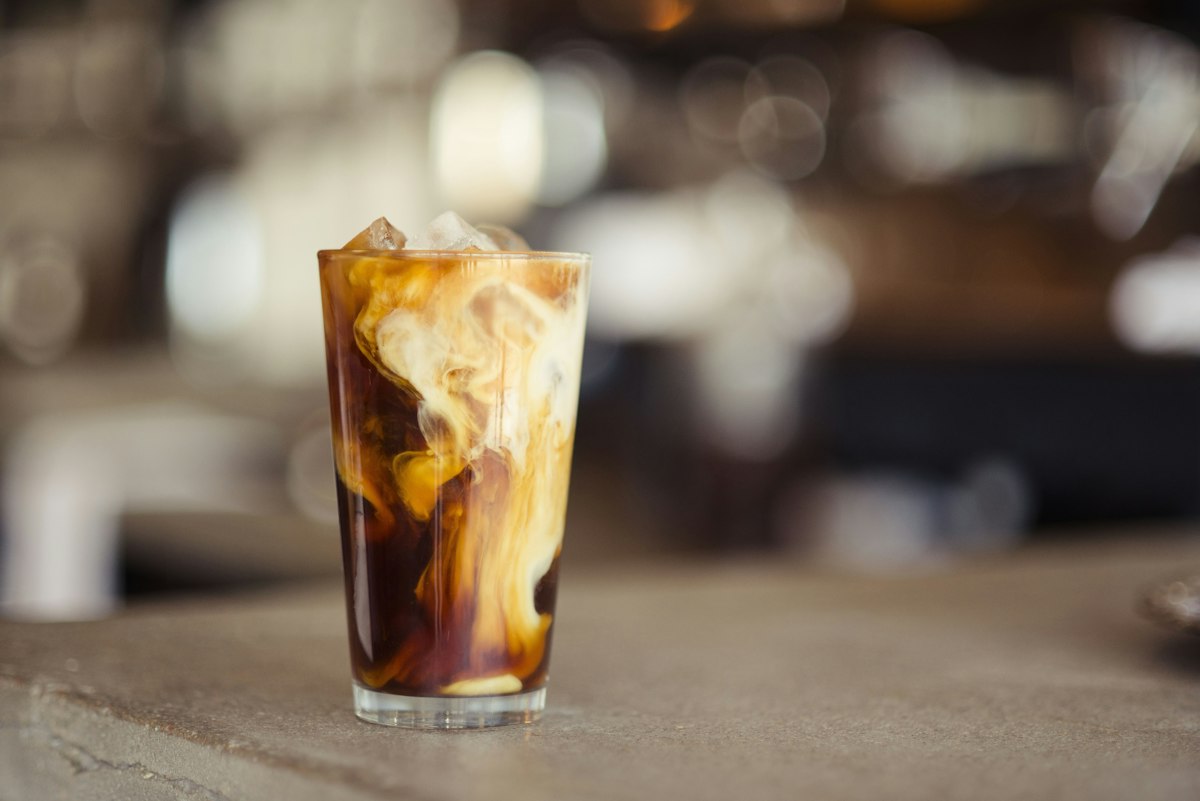
The best tasting decaf coffee starts with intention
There's also the question of freshness. Most decaf on grocery store shelves was roasted weeks or months ago, sitting in a warehouse, slowly going stale. Coffee is a perishable product. Roast date matters. We roast every Sunday in Oakland and ship Monday morning. By the time the bag reaches you, it's fresh.
None of this is complicated. It's just a set of choices — choose good beans, learn how to roast them properly, ship them fresh. What's surprising is how rarely those choices get made together in the decaf category. That's the gap we're in.
