
Colombia
El Vergel Estate: The Farm Behind the Cup
Most coffee bags say "Colombia" and leave it there. That tells you almost nothing. Colombia is enormous. The growing conditions in Huila are different from Nariño, which are different from Antioquia. Where the coffee grows — and who grows it — matters as much as how it's processed and roasted. That's why we talk about El Vergel.
El Vergel Estate sits in Huila, in the south of Colombia, at around 1,700 meters above sea level. It's owned and operated by the Arango family — Elias, Shady, and their team. They are not just farmers. They're experimenters. They've been testing fermentation variables, processing methods, and micro-lot separations for years, treating each harvest as a chance to learn something new rather than repeat what worked before.
"The farm is the ingredient. You can't roast your way to good if the green coffee isn't already there."
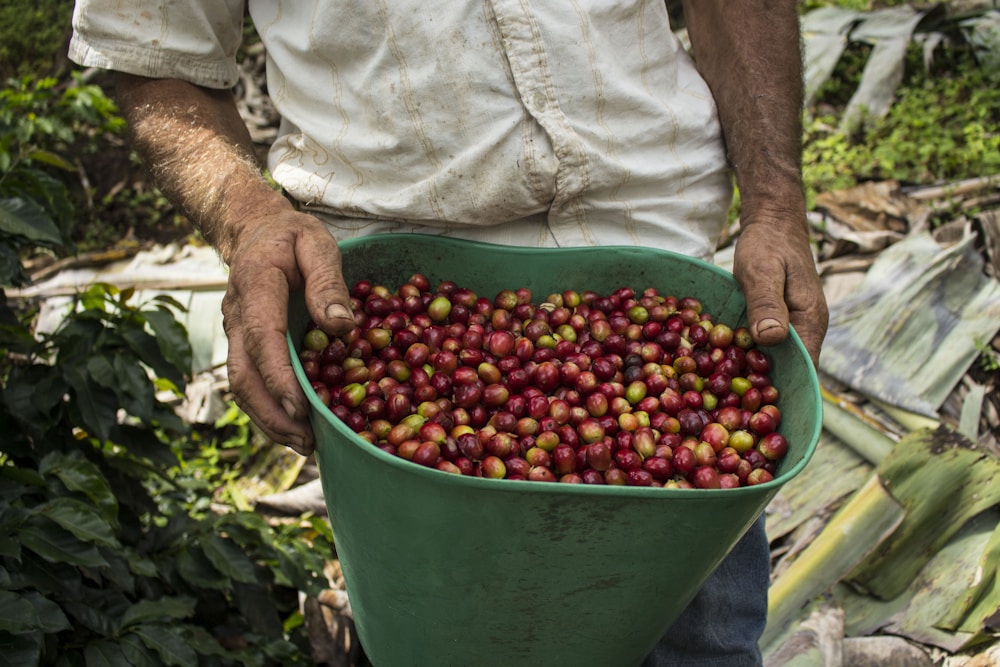
What we source from El Vergel is a natural-processed coffee. Natural processing means the fruit stays on the bean through drying — sometimes for three to five weeks — before it's removed. Done poorly, naturals taste fermented and muddy. Done well, as El Vergel does them, the result is layered and expressive: stone fruit, dried tropical notes, a sweetness that doesn't need any help from you.
Why it matters for decaf
Here's the part most people don't think about: decaffeination happens after the green coffee is processed, not before. The origin character — the fruity, complex notes that come from El Vergel's altitude, soil, and the Arango family's care — is already in the bean before it ever gets decaffeinated. That's what we're protecting through the decaf process and through our roast.
When we taste an El Vergel decaf that's gone flat and generic, it's almost always a roasting failure — someone applying the same heat curve they'd use for any other coffee, not accounting for how decaffeination changes the bean's density and moisture. We've spent a long time making sure that doesn't happen here.
The result is a cup that still tastes like where it came from. Bright. Clean. Some sweetness. Something you'd order at a specialty café without thinking twice about whether it was decaf.
That's the whole point.
